
4 April : India has positioned itself among the foremost nations maintaining consistent tanker movement through the Strait of Hormuz, despite escalating global supply concerns. The vital maritime corridor remains central to international oil and gas transportation.
Heightened tensions involving the United States, Israel, and Iran have disrupted shipping activity.
Nevertheless, Indian-linked vessels continue to navigate the passage successfully. Since February 28, at least eight such ships have crossed safely, transporting critical energy cargo.
Among them, LPG carriers BW Tyr and BW Elm delivered nearly 94,000 tonnes of liquefied petroleum gas. Their transit highlights operational resilience amid heightened security risks.
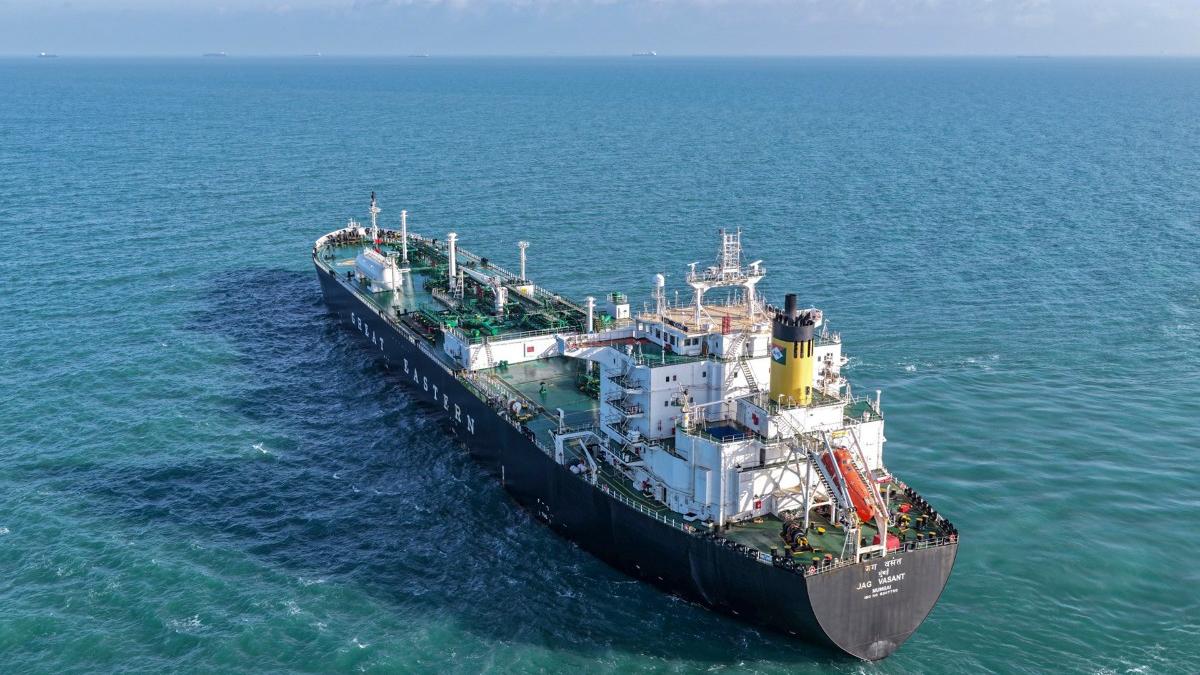
Additional India-flagged carriers, including Pine Gas and Jag Vasant, supplied over 92,000 tonnes between March 26 and 28.
Earlier consignments also strengthened supply continuity. MT Shivalik and MT Nanda Devi delivered similar LPG volumes to Mundra and Kandla ports in Gujarat.
Oil tanker Jag Laadki transported crude from the UAE to Mundra, while Jag Prakash completed a gasoline shipment from Oman to Africa.
The latest successful transit involved Green Sanvi, an India-flagged LPG tanker. It crossed via a designated corridor through Iranian waters, carrying approximately 44,000 tonnes of LPG.
This volume represents nearly half a day’s domestic consumption before the conflict.
Shipping data indicates a steady rise in such crossings, reinforcing India’s energy security strategy.
Two additional vessels, Green Asha and Jag Vikram, are expected to undertake similar voyages shortly.
India’s sustained maritime operations underscore its strategic agility in safeguarding energy supplies amid volatile geopolitical conditions.
Warning: Trying to access array offset on false in /home/areomziw/nawaiduggar.com/wp-content/themes/goodnews5/framework/functions/momizat_functions.php on line 104
Warning: Trying to access array offset on null in /home/areomziw/nawaiduggar.com/wp-content/themes/goodnews5/framework/functions/posts_share.php on line 66
Warning: Trying to access array offset on null in /home/areomziw/nawaiduggar.com/wp-content/themes/goodnews5/framework/functions/posts_share.php on line 82